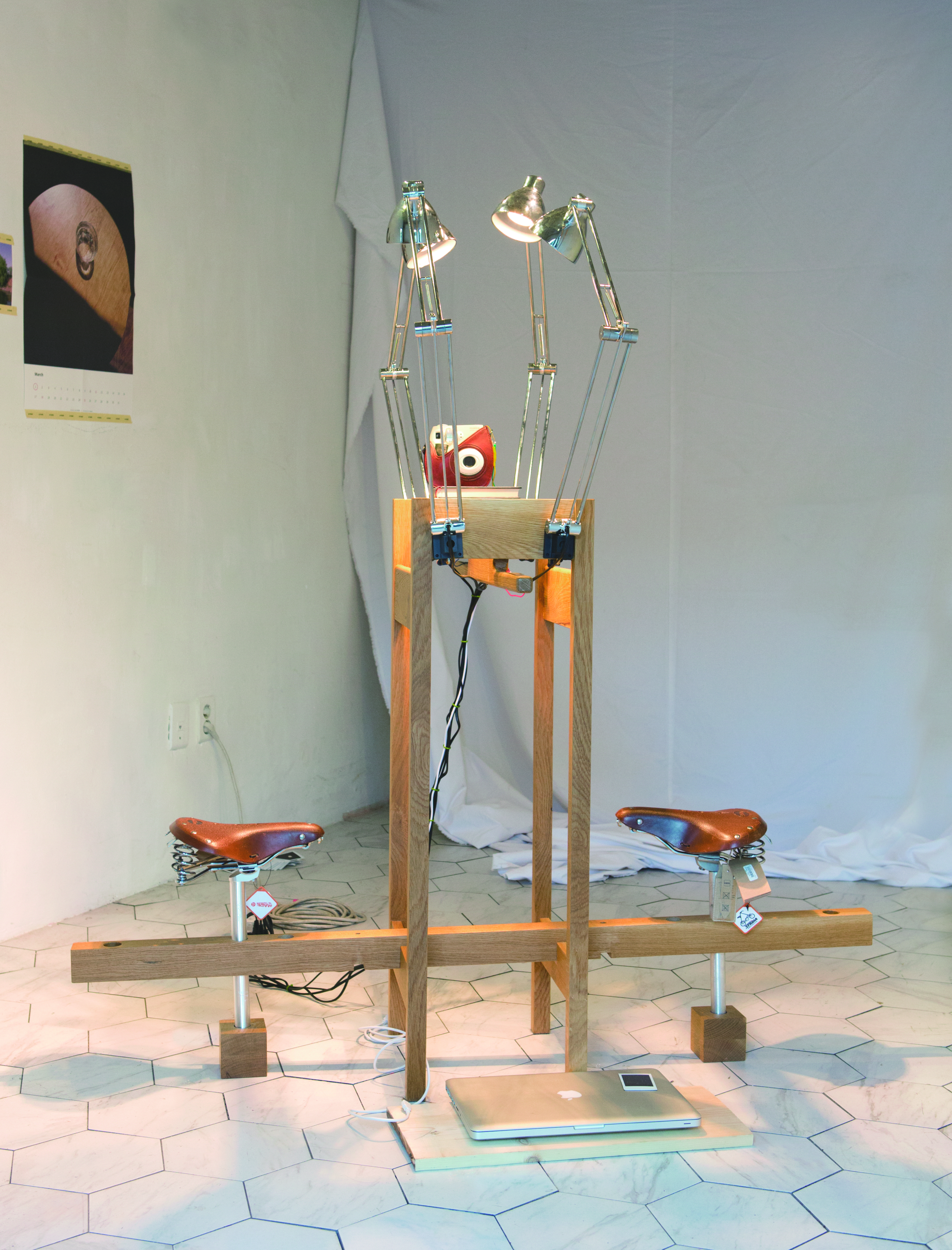
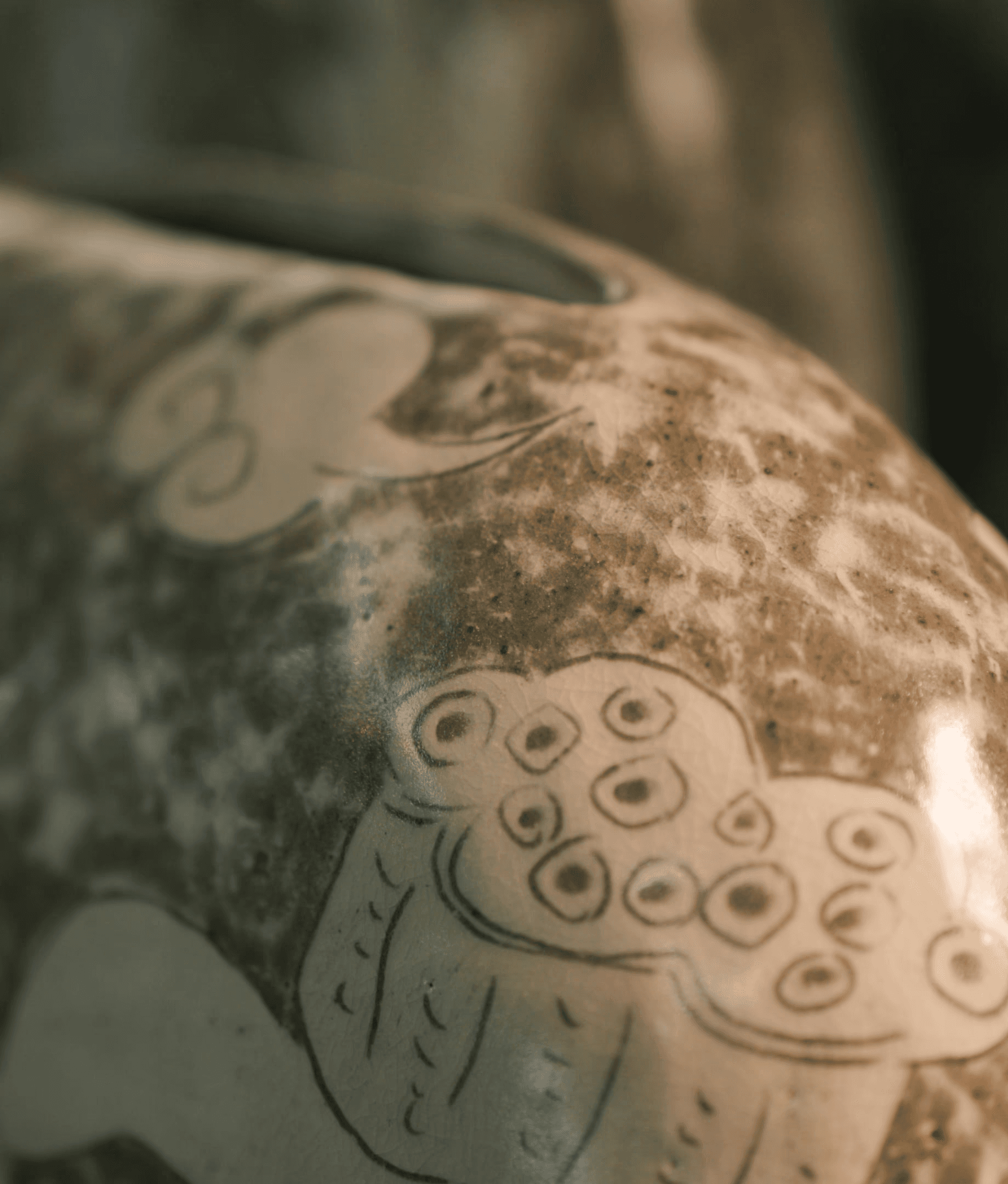
When the city lights fade and only darkness remains, Lee Seok remembers the landscape. His practice begins in that fragile moment — between disappearance and perception — where light becomes a language to re-see the world. Lee does not use technology to replicate nature. Rather, he uses it to ask a deeper question: How do we, as humans, perceive nature?
For him, the frame is not a screen but a threshold — a sensorial hinge where nature and human perception meet. “Once a frame is erected, a door opens between nature and humanity,” he says. Across his works, the frame becomes both a lens and a mirror, urging viewers to recognize their own position within the landscape they observe.
Since his first media performance at MAXXI – National Museum of 21st Century Arts, Rome (2015), Lee has continuously expanded his stage beyond museum walls — toward public architecture and heritage landscapes. His light has illuminated spaces such as the PyeongChang Olympic Memorial Hall (2021), Daereungwon Nocturne in Gyeongju (2023), and Transcendence at the Korean Cultural Center in Buenos Aires (2024, co-organized with the Cultural Heritage Administration of Korea). Through these works, his art moves steadily from image to site, from representation to experience.